- Envío gratis
- New
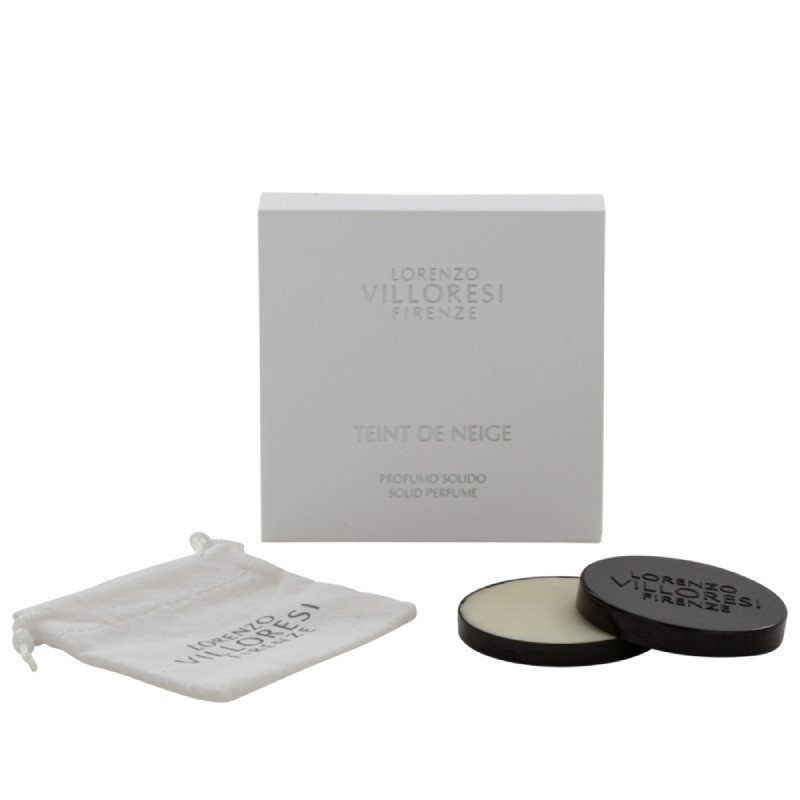
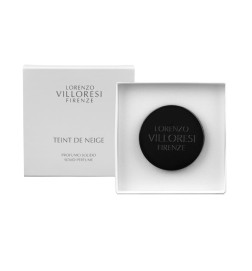
Solid perfume - Metal Box - Lorenzo Villoresi - 10 g


Or pay directly with:
On this website you can pay by Apple Pay or Google Pay but is not possible to do it in this browser.

The next lysate of ingredients represents the composition of a cosmetic or perfumistic product, where each component complies with a specific function in the formula. Next, ingredients are described and organized to improve the understanding of their function and structure:
First, we find the isopropyl myristate, an emollient widely used in cosmetics due to its ability to provide a soft and silky texture to the skin, as well as improving the absorption of other ingredients. The term "fragrance) is followed, which indicates the presence of a mixture of aromatic compounds designed to grant a characteristic fragrance to the product.
Among the ingredients of natural origin, the hydrogenad palm oil stands out, which acts as an emollient and thickened agent, helping the stability of the product. The wax of Copernicia Cerifera, better known as Carnaumba wax, is also included, which is extracted from the leaves of the Brazilian palm and is widely appreciated by its ability to provide firmness and brightness. At the same time, the caprilic / capric triglycerid, derived from coconut oil, is another emollient agent that provides smoothness without fat sensation.
As for synthetic polymers and waxes, we find hydrogenated polysobutene, an ingredient used to improve the texture and adhesion of the product on the skin. The wax Alba (beeswax) is a natural component that provides structure and helps withholding moisture. In addition, paraffin and oazoquerite are mineral waxes that act as stabilizing agents and texture in the formula.
On the other hand, the BHT ingredient (butylhydroxitoluene) is used as an antioxidant, protecting the oils and waxes of oxidation and prolonging the life of the product.
Within the aromatic compounds and potential allergens, we find a variety of substances that are part of the perfume and can be regulated in the cosmetic industry due to its sensitizing potential. These include alpha-isometil ionone, anise alcohol, benzyl alcohol, benzyl benzoate, benzyl salicylate, citrinch, cumiarine, limonene, eugenol, the Farnesol, geraniol, hydroxycrethronel and linalol. These substances are known to provide specific aromatic nuances, such as floral, specied or citrus notes, although some of them may be irritating for people with sensitive skin or allergies.
